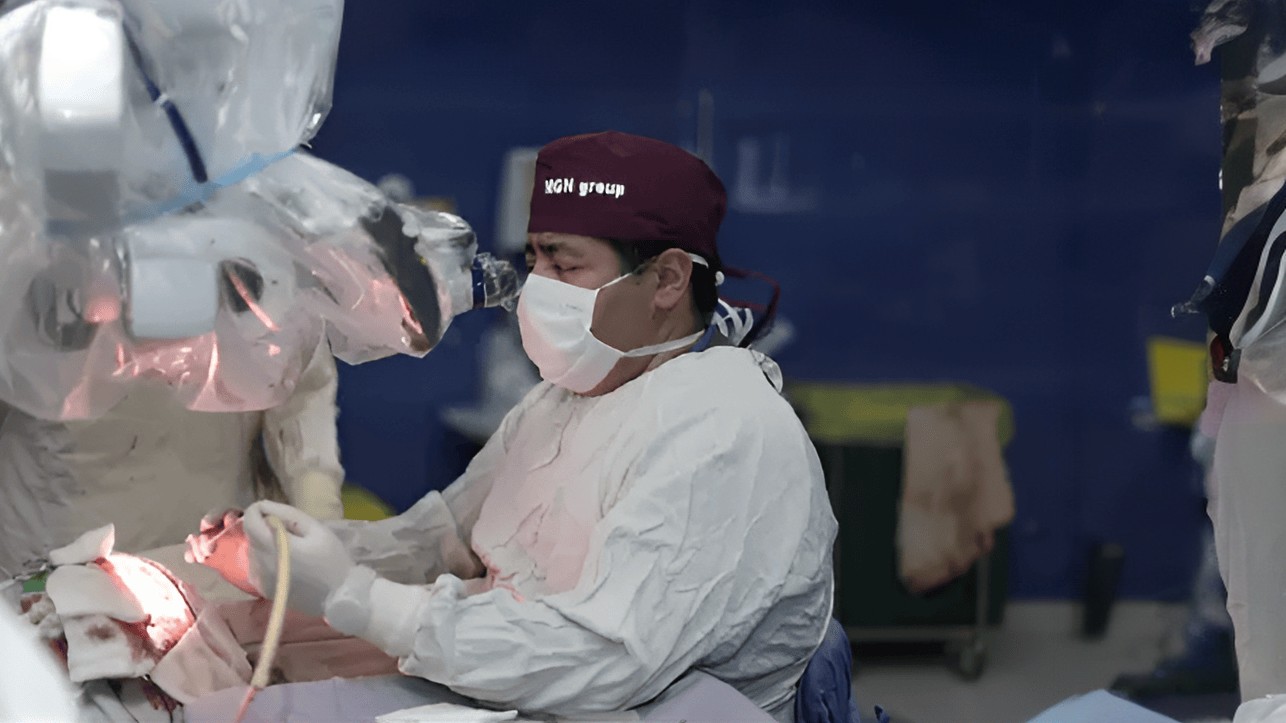
A resource for increasing patient awareness, sharing specialized expertise with physicians, and advancing neurosurgical knowledge in Iran and around the world


If you experience symptoms such as severe or persistent spinal pain, weakness or numbness in the limbs, movement disorders, certain unusual headaches, a diagnosed brain tumor, or pituitary problems, evaluation by a neurosurgeon may be necessary. The final diagnosis is based on symptoms, physical examination, and medical imaging.
No. Many disc-related problems can be managed with non-surgical treatments under medical supervision. Surgery is usually considered when, depending on the patient's condition, there are severe or persistent symptoms, significant pressure on neural structures, or an inadequate response to other treatments.
It is best to bring all relevant medical images and reports, such as MRI, CT scans, laboratory tests, and previous medical records. Having your previous records helps the doctor evaluate your condition more accurately and make decisions about further treatment.
When the option to submit medical records is available, medical images and related information may be provided for an initial review. However, final medical decision-making requires a complete evaluation of the patient's condition and, when necessary, an in-person examination.
Treatment of a pituitary tumor depends on its size and type, the patient's symptoms, hormonal status, and other medical factors. In some patients, endoscopic surgery through the nose and skull base is one of the treatment options, and the appropriate approach is selected after a detailed evaluation.
Endoscopic procedures are used for certain conditions affecting the brain, pituitary gland, and skull base. Whether this approach is appropriate depends on the type, location, and size of the lesion and the patient's individual condition, which are determined after reviewing the images and performing an examination.
No. The type, size, and location of the tumor, the patient's symptoms, and imaging findings all play a role in determining the treatment approach. Some patients may need surgery, while in other cases options such as observation, medication, or other treatments may be considered.
The duration and course of recovery depend on the type of surgery, the patient's overall health, and the underlying condition. Following the doctor's recommendations, attending follow-up visits, and, in some cases, participating in a rehabilitation program may be part of the recovery process.
To get started, prepare your relevant medical records and images, then use the contact and appointment booking options provided on the website to schedule a consultation. During the consultation, your condition and appropriate treatment options will be evaluated.
Usually, no. Medical images should be interpreted together with symptoms, medical history, physical examination, and other clinical information. Therefore, viewing an image without considering the patient's overall condition is not, by itself, an adequate basis for making a treatment decision.